


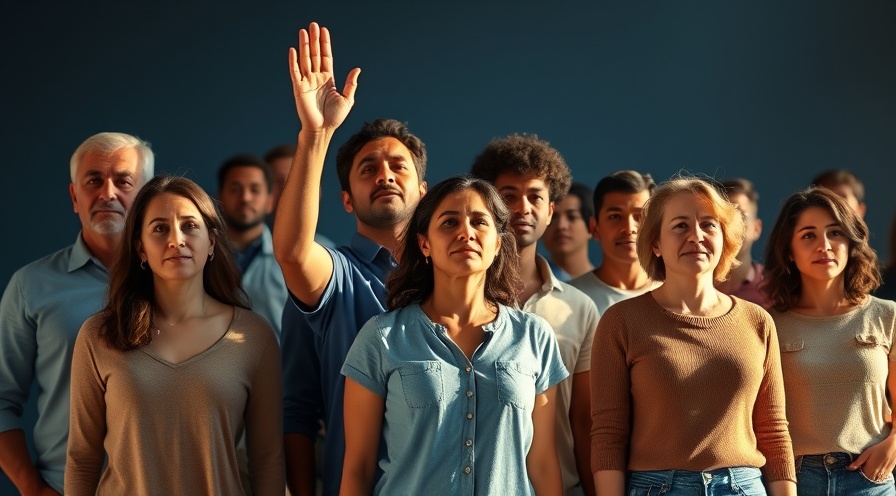
Understanding the Consent Decree: A Landmark for Free Speech
St. Louis residents are in a unique position to understand the implications of a recent federal consent decree that promises to protect American voices from what many have termed federal censorship. Announced by Missouri Attorney General Catherine Hanaway, this agreement with the Trump Administration resolves the case of Murthy v. Missouri, which sought to investigate and eliminate undue pressures placed on social media companies to censor content, particularly conservative viewpoints. This decree not only reinforces the First Amendment rights of citizens but also establishes a significant precedent regarding the relationship between tech and government.
The Role of Social Media in Free Speech
In the modern landscape, social media platforms serve as critical avenues for public discourse. As noted in Hanaway's announcement, the recent litigation uncovered evidence that federal authorities had engaged in coercive tactics aimed at stifling dissenting opinions, notably conservative narratives. This raises profound questions about the balance of power between private tech companies and the government. The decree aims to create a barrier against this kind of government interference, but this isn't a one-way street. Social media platforms are not free from their own biases and the principles of moderation they adopt also shape public speech. As outlined by resources from the American Civil Liberties Union (ACLU), censorship can come from multiple directions, and the First Amendment's protections apply exclusively to government actors, not private enterprises.
Historical Context: The Evolution of Free Speech
Historically, the First Amendment has been a touchstone for civil liberties in the United States. From protests to journalism, the principles of free speech have evolved considerably. In a contemporary setting, where debates around misinformation and censorship are rampant, it is crucial for citizens to remember that free speech encompasses a diversity of voices, including those deemed unpopular. The ACLU emphasizes the need for continued vigilance against both government overreach and censorship by private entities.
Censorship: The Current Landscape
Censorship today can manifest in various forms, such as social media moderation and corporate policies that stifle free expression. Recent surveys indicate that fear of backlash (including potential job loss) has led many Americans to self-censor, refraining from expressing their opinions on divisive topics. This chilling effect not only undermines individual expression but also limits the marketplace of ideas essential for a functioning democracy. The consent decree aims to counteract this concern by ensuring that government entities cannot compel private companies to curb speech merely because they disagree with the prevailing viewpoint.
Implications for St. Louis and Beyond
For residents of St. Louis, this decree heralds an opportunity to strengthen community dialogue and engagement on various pressing issues, including local politics, public health debates, and social justice movements. In an ever-connected world, free expression becomes paramount as citizens share their views, shape public consciousness around local events, and advocate for change without fear of retribution. It is vital for St. Louis to harness this momentum, allowing local voices to resonate more strongly in the public arena.
Actions to Take: Empower Your Voice
The implications of this consent decree extend beyond legal ramifications; they signify a cultural shift toward valuing open communication. Residents can make the most of this moment by actively participating in local discussions, attending town hall meetings, and engaging in social media civil discourse. By doing so, they not only uphold their rights but also enrich the community's fabric, fostering a more vibrant and connected populace.
In summary, the recent consent decree is a landmark decision that confirms the importance of protecting free speech in the face of governmental pressure. As St. Louis navigates this new landscape, residents should embrace opportunities to express themselves and engage with their neighbors, all while recognizing the ongoing necessity of vigilance in protecting their rights. With the federal consent decree as a foundation, the movement toward a truly open and fair discourse begins now.




Write A Comment