


Picture yourself stepping onto a St. Louis sidewalk, suitcase in hand, greeted by families chatting on historic brick porches, the aroma of barbecue drifting from nearby restaurants, and the Gateway Arch glimmering on the horizon. Moving to St. Louis isn’t just a change of address—it's an immersion into a city where affordability, culture, and community pride create a uniquely welcoming experience. Whether you’re a remote worker searching for the perfect neighborhood, a parent weighing high school options, or simply curious about the low cost of living, this local guide offers everything you need to know for a smooth transition.
What You'll Learn About Moving to St. Louis
- Key takeaways on moving to St. Louis, cost of living, neighborhoods, what to expect, Louis County, Louis City, food scene, and high school options
- Personal insights and expert perspectives on what sets St. Louis apart
- Practical advice for relocation and settling in
First Impressions: Why Moving to St. Louis Stands Out
- Arrival story: Observing everyday life in St. Louis

- What most newcomers notice first
- How local values and pride shape daily interactions
One of the first things many notice when moving to St. Louis is the genuine warmth of its residents. People often greet you with a friendly nod or a quick chat at the corner coffee cart. There’s an undeniable sense of pride—reflected in local traditions, the celebration of the city’s sports teams, and the sustained commitment to preserving both neighborhoods and landmarks, from the Central West End’s Victorian homes to the iconic red-bricks of Soulard. These daily interactions add up, giving newcomers a feeling of belonging that’s hard to replicate in other metro areas.
Personal experience has shown me that St. Louis is a city shaped by its strong neighborhoods, each with its own vibe and story. Plus, the city of St. Louis welcomes you with green spaces like Forest Park, one of the largest urban parks in the country, which instantly makes life feel a bit more relaxed. Locals are proud—of their food scene, their historic homes, and the unique blend of Midwest values and big-city culture. It’s this combination that makes moving to St. Louis stand out among American cities.
Cost of Living in St. Louis: Realities for Newcomers
Housing Costs in Louis County and Louis City

The low cost of living in St. Louis consistently surprises newcomers, especially those relocating from coastlines or larger metro areas. In both Louis City and Louis County, you’ll find affordable options—cozy brick homes, roomy apartments in historic districts, and sprawling suburban houses with tidy lawns. While the Central West End and Tower Grove command slightly higher home prices due to their amenities and walkable lifestyles, many suburban areas in Louis County offer family-friendly affordability. Moving trucks on the streets and neighbors chatting outside are common sights—evidence of a dynamic, mobile community.
One thing to keep in mind is the earnings tax in the city of St. Louis—a 1 percent tax on income earned within city limits. While this may influence your decision between Louis City and Louis County, housing costs in most neighborhoods are still well below the national average. Suburban communities provide large homes and two-car garages, while the city center attracts singles and couples seeking proximity to nightlife, parks, and the city’s renowned food scene. No matter your preference, housing in St. Louis offers more space for your money compared to cities like Chicago or Dallas.
Utilities, Transportation, and Healthcare Expenses
Utilities—including electricity, gas, and water—are typically lower in St. Louis than in other similar-sized cities. The city of St. Louis and surrounding Louis County are served by reliable municipal utility companies, and recent efforts have ensured improved grid reliability. Transportation in the Metro area is manageable; though having a car is highly recommended in sprawling parts of Louis County, St. Louis City is increasingly walkable, with public transportation via MetroLink connecting key neighborhoods, Forest Park, and downtown attractions. Bus lines also serve major corridors and employment hubs.
Healthcare in St. Louis is well-ranked for both accessibility and quality. With large medical centers and hospitals distributed across the city and county, most newcomers report satisfactory health insurance coverage and a diverse selection of primary care providers. While monthly costs vary based on coverage, families and young professionals alike find that healthcare, like other expenses in the region, remains affordable. The combination of these factors makes moving to St. Louis a practical and attractive option for budget-minded individuals and families.
If you’re interested in a deeper dive into local perspectives and practical tips for navigating St. Louis neighborhoods, the St. Louis Media Channel offers a wealth of community-driven stories and up-to-date insights that can help you make informed decisions as you settle in.
The Everyday Costs: Groceries, Food Scene, and Entertainment

Everyday living in St. Louis means fresh produce at regional supermarkets, local bakeries stocking gooey butter cake, and frequent farmers’ markets. Grocery bills are comparable—or often lower—than the national average, especially when taking advantage of local markets. The St. Louis food scene deserves special mention: from hot toasted ravioli in The Hill to barbecue feasts in South Grand or Grove South, newcomers quickly learn to associate daily life with culinary adventures.
Entertainment options are varied and accessible. Whether you’re catching a Cardinals game, exploring the St. Louis Science Center, marveling at exhibits at the city’s Art Museum, or strolling through Tower Grove Park, entertainment costs are reasonable. Many attractions—like the world-class St. Louis Zoo and Missouri History Museum—offer free admission, adding exceptional value for families and singles alike. As you settle, you’ll discover your weekly routine includes not only groceries but neighborhood festivals, concerts in Forest Park, and brunch in Lafayette Square.
"St. Louis's affordability compared to other Midwest cities surprised me—here's what I actually paid my first year. "
| Expense Type | Louis County | Louis City |
|---|---|---|
| Average Rent (2BR) | Lower, larger homes, family focus | Urban apartments, higher for premium districts |
| Utilities | Medium, varies by home size | Slightly lower for apartments |
| Groceries | Affordable, close to local markets | Comparable, with access to city markets |
| Transportation | Car necessary, insurance moderate | Walkable, access to MetroLink/buses |
| Entertainment | Suburban parks/events | Museums, nightlife, city parks |
Exploring St. Louis Neighborhoods When Moving to St. Louis
Iconic Neighborhoods: The Central West End, The Hill, Soulard and More
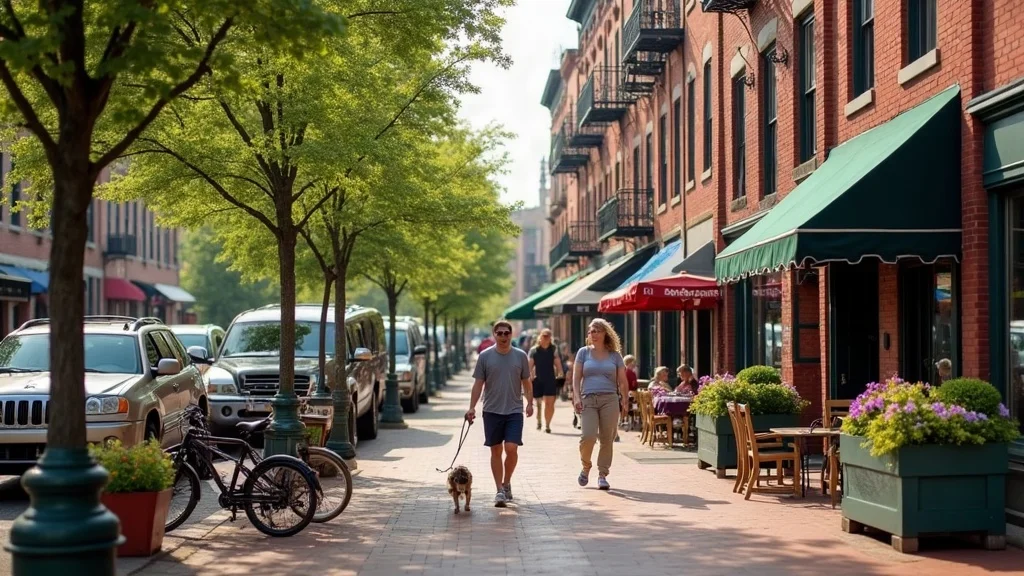
St. Louis neighborhoods each tell a different story. The Central West End buzzes with galleries, chic cafés, jazz bars, and the occasional street fair, its tree-lined streets and Victorian homes a draw for professionals and artists. In Soulard, the city’s French roots reveal themselves through centuries-old architecture and the region’s oldest farmers’ market—perfect for discovering local produce and craft goods. The Hill is synonymous with family-run Italian restaurants, bakeries, and a sense of tight-knit community; you’ll quickly find yourself welcomed into neighborhood traditions, especially if you share a love for pasta and soccer.
For those craving cultural variety, Tower Grove South and South Grand serve up diversity. Streets lined with international restaurants, community gardens, and colorful murals make exploring these areas an everyday adventure. Grove South, meanwhile, is known for its nightlife, art, and inclusion—a hub for both creative professionals and young families. Neighborhoods like Lafayette Square and Shaw offer a blend of history, unique brick homes, access to city parks, and active neighborhood associations. Each district fosters a sense of belonging, no matter your age or background.
Suburban Living: What to Know About Louis County Communities

Louis County is beloved for its tranquil suburban neighborhoods, excellent schools, and green spaces. Communities like Kirkwood, Clayton, and Ballwin are popular for their well-maintained homes, parks, and family-oriented activities. Suburban living here offers a slower pace—children playing on the front lawn, friendly waves between neighbors, and access to some top high schools in Missouri. These areas also boast growing amenities: shopping centers, robust community organizations, and quick access to the city’s best outdoor attractions, including trails along the Mississippi River.
With two-car garages, private gardens, and established neighborhoods, Louis County provides a stable environment for raising a family. Residents value safety, well-funded public services, and easy commutes into the heart of St. Louis for work or play. Recent growth means new families, diverse backgrounds, and a revitalized suburban culture—proving that Louis County is more than just a “bedroom community,” but an ideal place to put down roots.
Living in Louis City: Heart of Urban St. Louis
- Safety, walkability, and access to amenities
- Diversity and culture across different districts
- Best neighborhoods for families, singles, and retirees
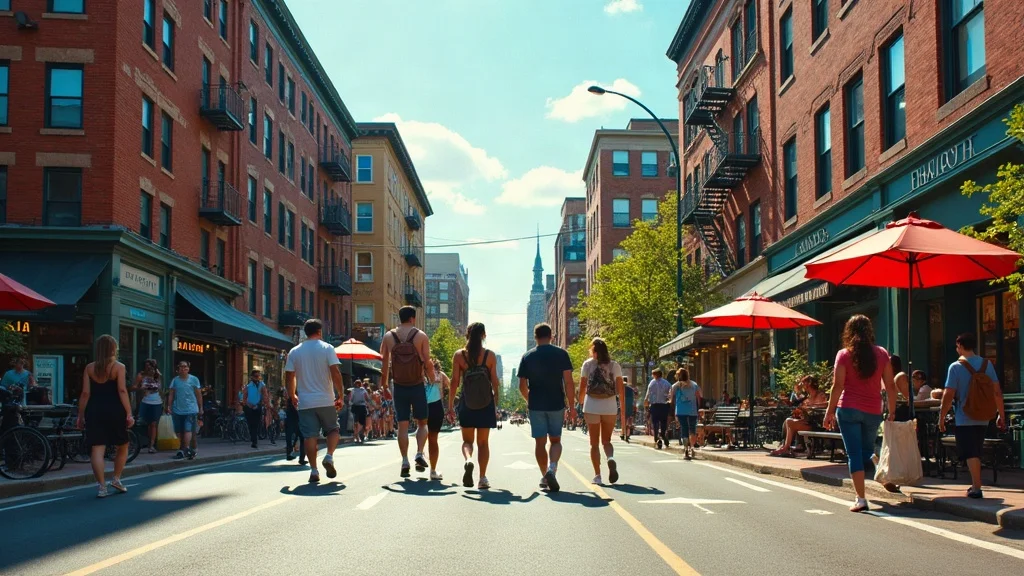
Louis City is for those who love urban energy. Walkability is a huge asset—residents can stroll from South Grand’s restaurants to Tower Grove Park, or cycle through Grove South’s lively blocks. Access to amenities like the Art Museum, Science Center, and a number of local grocery shops means you’re never far from essentials or entertainment. Neighborhoods are distinct: The Central West End is ideal for singles and professionals, Lafayette Square and Shaw suit retirees and couples, and Tower Grove is known for its mix of families, artists, and young entrepreneurs.
Safety and culture remain paramount topics. While some parts of the city maintain higher crime rates, others are undergoing significant revitalization, drawing new residents and investments. Diversity flourishes in districts like Cherokee Street and north St. Louis, where culture, art, and history collide. My advice: research specific neighborhoods, connect with locals, and visit during all hours—it's the best way to get a real sense of what Louis City offers for your lifestyle.
St. Louis Food Scene: Unique Eats for New Residents
Local Favorites and Regional Specialties

The St. Louis food scene deserves its reputation: neighborhood diners serving up crispy toasted ravioli, bakeries selling melt-in-your-mouth gooey butter cake, and barbecue joints boasting secret family recipes. Walking through the Hill or Soulard, you’ll inevitably stumble into a friendly debate about which local spot serves the best Italian sandwich or ribs. Food festivals celebrating St. Louis’s multicultural roots are frequent, from Oktoberfest in the Central West End to the annual Rib Fest near Soulard.
As a newcomer, don’t be shy about sampling regional specialties or asking for a local recommendation. The city’s culinary landscape draws from its immigrant history, with flavors from Bosnian, Vietnamese, and Mexican communities blending seamlessly into everyday menus. Whether you’re eating at an upscale Tower Grove bistro or a food truck in Grove South, St. Louis food scene makes dining out a highlight of moving to St. Louis.
Hidden Gems Around Louis City and Louis County
"Once you try toasted ravioli and gooey butter cake, you’ll understand what food scene means in St. Louis. "
- Personal must-try restaurant picks
St. Louis is filled with hidden gems—family-run barbecue shacks, cozy brunch spots in Lafayette Square, and elegant bistros in Kirkwood or Webster Groves. My must-try picks include a Bosnian bakery in Bevo Mill, Vietnamese pho in south St. Louis, and classic burgers at a retro diner near Forest Park. Don’t miss pizza on Maplewood’s main street, Italian in The Hill, or breakfast at one of the Central West End’s charming cafés. Exploring the city’s diverse culinary offerings is not just about food—it’s a window into St. Louis’s community spirit.
Whether you’re dining with friends at a park picnic or seeking out late-night street tacos, you’ll find the food scene in St. Louis is woven into the city’s fabric. Each meal is a reminder of the area’s welcoming, down-to-earth vibe—where big personalities, lively conversation, and great value come standard.
Education Options When Moving to St. Louis: High School Choices and Beyond
Public vs. Private High Schools in Louis County and Louis City

Education is a cornerstone for families moving to St. Louis. The local high school scene spans public, private, and parochial options across both Louis County and Louis City. Public high schools in communities like Clayton, Kirkwood, and Ladue rank among the top in Missouri—offering a full suite of academic and extracurricular programs. Within the city, charter schools and selective admission magnet programs are popular choices for families seeking specialized tracks in arts, STEM, or international studies.
Private high schools, including historic institutions affiliated with various faiths, attract students from the city and county alike. Tuition varies, but scholarships and financial aid are available at many schools. Whether targeting a public or private option, it’s wise for parents to tour campuses and attend information sessions—many families cite the supportive local community as a major advantage for student growth.
Top High School Rankings and Community Feedback
- School district reputations and academic offerings
- Specialty programs and extracurriculars
- Tips for families relocating with children
Academic performance, arts programs, and athletic opportunities vary by district and neighborhood, so research is key. The best school districts in Louis County, such as Parkway and Rockwood, enjoy strong reputations for student achievement and college readiness. City-based schools often distinguish themselves through innovative curricula, international baccalaureate offerings, and museum partnerships (think Science Center or Art Museum collaborations). Magnet and charter schools, particularly in north St. Louis and Grove South, are revitalizing the high school landscape, drawing new investments and talent.
If you’re relocating with children, connect with other families via local Facebook groups, neighborhood events, or your real estate agent. Touring schools and conversing with faculty gives valuable insights into classroom culture and student life. St. Louis’s educational options are broad—finding the right fit is a matter of matching your priorities to community resources.
Community Life and What to Expect After Moving to St. Louis
What Makes St. Louis Community Unique

Community is where St. Louis shines. City of St. Louis residents—from Louis City to Louis County—are passionate about their neighborhoods and uniquely welcoming toward newcomers. Community gatherings in parks, block parties on south St. Louis streets, and spontaneous picnics below the Gateway Arch are all part of the local experience. Whether you’re joining a walking club in Tower Grove Park or attending a jazz night in Forest Park, there’s always a way to connect.
Local organizations, sports leagues, and community outreach programs make it easy to meet people. From alumni networks linked to high schools to vibrant neighborhood associations, St. Louis offers countless entry points for building new friendships and giving back. For many, it’s the diverse, collaborative spirit that cements their decision to stay in St. Louis long term.
Annual Events and Local Traditions
- Joining local clubs, neighborhoods, or organizations
- St. Louis sports culture and outdoor recreation
Annual celebrations are central to St. Louis life. The Veiled Prophet Parade, Soulard Mardi Gras, Shakespeare Festival in Forest Park, and countless neighborhood street fairs bring residents together from across the metro area. Sports culture is huge—this is a city where Cardinals baseball and Blues hockey command devotion, and city-wide tailgates are a rite of passage. Outdoor enthusiasts find endless options: hiking trails along the Missouri and Mississippi Rivers, yoga in Tower Grove Park, and biking through the Central West End.
Joining a social club or neighborhood association accelerates your local connection. St. Louis offers everything from historic district walking tours to gardening collectives and urban cycling meetups. Whether you’re passionate about arts, sports, food, or the outdoors, you’ll find fellow enthusiasts ready to welcome you.
Pros and Cons of Moving to St. Louis: An Insider’s Perspective
- Advantages: affordability, culture, growth opportunities

- Challenges: economy, infrastructure, neighborhood disparities
"It’s a city where your experience depends on where you settle and how you engage. "
The greatest strengths of moving to St. Louis are its affordability, rich culture, and openness to growth. Compared to cities like Chicago, residents enjoy a low cost of living and access to world-class amenities—parks, museums, schools—without the high price tag. The city’s history, food scene, and diverse neighborhoods are major draws for families, singles, and retirees alike.
Challenges exist: infrastructure upgrades are ongoing, and disparities between neighborhoods are evident in education, housing, and safety statistics. Economic shifts have impacted north St. Louis and some sections of the city, but new investment and community-driven solutions are making a difference. As with any city, doing your research, choosing the right neighborhood, and connecting with local resources can shape a truly rewarding St. Louis story.
Explore a guided aerial and ground tour comparing everyday life in Louis City and Louis County: spot families, singles, local parks, and diverse housing styles. Experience St. Louis’s contrasts and connections from an insider’s view.
See what everyday living looks like in St. Louis: from strolls in Tower Grove Park and neighborhood barbecues to nights out on South Grand and brunch at Central West End cafés. Discover the rhythm and texture of daily life as a newcomer!
People Also Ask: Your Top Questions About Moving to St. Louis
Is St. Louis a good city to move to?
- Opinionated answer on the qualities that make St. Louis attractive or challenging for newcomers.
St. Louis is a great city to move to if you value affordability, cultural diversity, a dynamic food scene, and active community life. Newcomers are often struck by the friendly spirit and the city’s blend of big-city amenities and small-town neighborliness. There are challenges, such as uneven infrastructure and some neighborhood disparities, but with research and community involvement, many find that St. Louis offers both personal and professional growth opportunities that are hard to beat.
What salary is needed to live comfortably in St. Louis?
- Contextual discussion on salary expectations, factoring in cost of living and family size.
Living comfortably in St. Louis depends on your household size, preferred neighborhood, and personal financial habits, but many families and singles find salaries stretch farther here than in other metro areas. A moderate income can support housing, transportation, groceries, and entertainment—with money left over for savings or travel, thanks to the city’s low cost of living. For those in Louis City, factor in the 1% earnings tax, but overall, residents remark how much more house and lifestyle they can afford compared to cities like Chicago or Dallas.
Why is Saint Louis so run down?
- Background on economic trends, historical context, and efforts at revitalization.
Parts of St. Louis have experienced economic decline due to industrial job loss, shifting demographics, and historic disinvestment, especially in north St. Louis. However, this doesn’t define the entire city. Many neighborhoods—like the Central West End, Tower Grove, and Grove South—have seen significant revitalization. Public initiatives, local entrepreneurship, and community organizations are working to address disparities and promote redevelopment, making the city’s future brighter every year.
What are the parts of St. Louis to avoid?
- Breakdown of neighborhoods, data sources, and local safety perspectives.
Safety concerns in St. Louis are neighborhood-specific. Some areas of north St. Louis and pockets near the city’s industrial corridors carry higher crime rates and might not be ideal for all newcomers. However, each neighborhood tells its own story: districts like Tower Grove South, the Central West End, Lafayette Square, and most of Louis County are popular for their low crime rates and community feel. Reviewing up-to-date local crime statistics and talking with current residents will help you feel confident in your move.
FAQs About Moving to St. Louis
-
How is public transportation in St. Louis?
St. Louis offers MetroLink light rail and MetroBus service throughout the city and some suburbs. While useful for certain commutes, most residents recommend owning a car for full flexibility, especially in Louis County. -
What outdoor activities are popular for families and young professionals?
Top outdoor activities include exploring Forest Park and Tower Grove Park, hiking along the rivers, cycling urban trails, visiting the Botanical Gardens, and participating in sports leagues at city parks. -
Can you thrive in St. Louis without a car?
It’s possible to thrive in walkable neighborhoods in Louis City, especially near downtown, Central West End, and South Grand, but most residents prefer the convenience of a car for broader access to the region’s amenities. -
What are the best ways to make friends after moving to St. Louis?
Join local clubs, volunteer organizations, or neighborhood associations; attend community events and explore the city’s diverse food scene to connect organically with new people.
Key Takeaways for Anyone Considering Moving to St. Louis
- Understand the real cost of living and weigh it against your priorities
- Research neighborhoods to find your fit in Louis City or Louis County
- Embrace local food, culture, and community for a full experience
- Prepare for the unexpected: weather, quirks, and big local personalities
Discover Your St. Louis Story – Ready to Move? Explore Further Resources and Community Groups
Every move starts a new chapter. Connect with local groups, visit neighborhood events, and start building your St. Louis story today.
As you consider your next steps, remember that St. Louis is a city best experienced through its stories, local voices, and evolving neighborhoods. For a broader perspective on the city’s culture, events, and the latest happenings, explore the St. Louis Media Channel. There, you’ll find in-depth features, interviews, and community spotlights that go beyond the basics—helping you uncover hidden gems and make the most of your new hometown. Whether you’re seeking advanced relocation tips or want to stay connected to the pulse of St. Louis, these resources will empower you to thrive and truly feel at home.




Write A Comment